
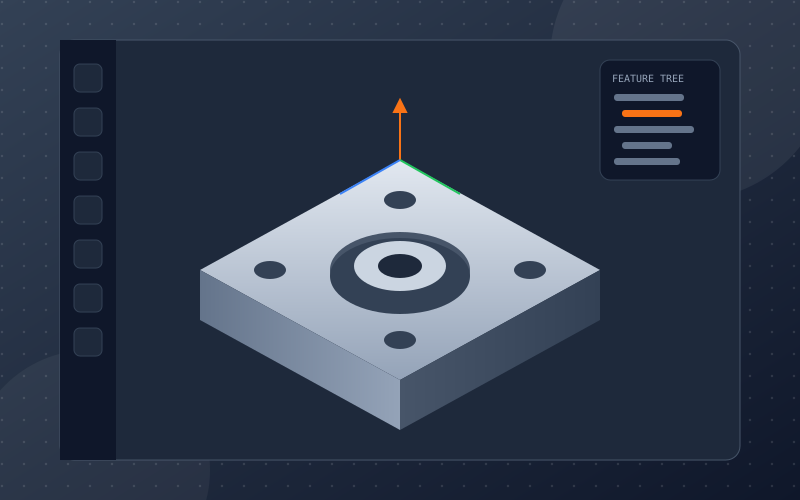
CNC Turning Component
Write and simulate a CNC turning program to manufacture a stepped shaft, including facing, rough turning, finishing, and basic dimensional verification.
- CNC Turning
- G-code
Learn CNC programming, G-code, M-code, Fanuc controls, CNC turning, VMC milling, CAD/CAM, and practical machine operation skills for manufacturing careers.
Admissions open
Free demo class & counselling
Session slots
The CNC Programming and Machine Operation Course provides comprehensive training in computer numerical control technology used in modern manufacturing industries. Students learn CNC fundamentals, machine operation, programming principles, and precision machining techniques. The course covers G-code, M-code, Fanuc control systems, CNC turning, VMC milling, tool offsets, work coordinates, machining cycles, and program simulation. Students develop the technical knowledge needed to understand CNC programs and machining processes. Learners are introduced to engineering drawings, cutting tools, machining parameters, CAD/CAM concepts, and industrial workshop safety. Practical exercises help students understand program development, error identification, machine setup, and machining operations. This course is suitable for beginners, ITI students, diploma holders, mechanical engineering students, and working professionals who want to develop skills in CNC programming and manufacturing technology. Upon completion, learners can pursue entry-level opportunities in CNC machine operation, CNC programming, VMC operation, production support, and precision engineering. Career opportunities depend on practical skills, experience, and employer requirements.
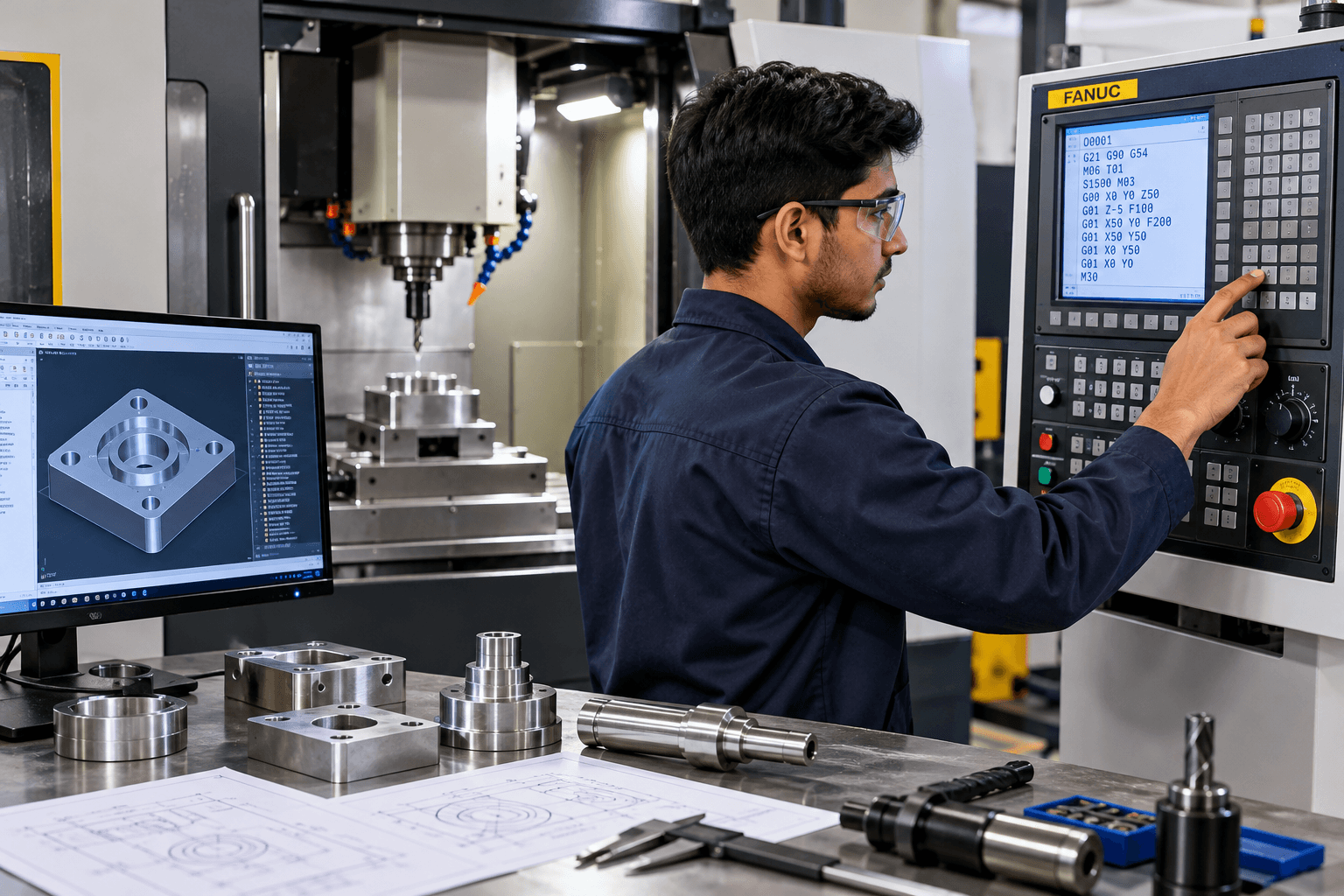
Write and simulate a CNC turning program to manufacture a stepped shaft, including facing, rough turning, finishing, and basic dimensional verification.
Develop a CNC milling program for a metal component with holes, slots, and pockets. Practise coordinate positioning, tool offsets, drilling cycles, and program simulation.
Create a 3D component model and generate machining toolpaths using CAD/CAM software. Simulate the machining process and review the generated CNC program.
The working loop
Every project moves through the same loop: understand the brief, build with guidance, then explain the decisions behind your work.
Learn CNC machine basics, engineering drawings, coordinate systems, machining processes, and workshop safety.
CNC Turning Component
Understand CNC programming commands, program structure, tool movements, spindle speeds, feed rates, and machine control functions.
CNC Milling Component
Write sample CNC turning and VMC milling programs using Fanuc-style programming and machining exercises.
CAD/CAM Toolpath Generation
Use CNC simulation software to check toolpaths, identify programming errors, and understand machining sequences before production.
Explore 3D component models, toolpath generation, and machining simulation using software such as Mastercam or Siemens NX CAM, if included in the course.
Practise machine setup, tool offsets, workpiece positioning, program loading, and safe machine operation where workshop facilities are available.
There are many places to learn this in Phagwara and the brochure syllabus looks similar at all of them. What differs is who teaches, whether you ever touch real work, and whether anyone picks up the phone after you have paid. techcadd has trained students across Punjab since 2016 on the same model: small batches, working practitioners as trainers, client projects as coursework.
Learn essential CNC programming concepts, G-code, M-code, CNC turning, and VMC milling to build a strong foundation for manufacturing careers.
Develop your technical understanding through programming exercises, machining projects, and simulation activities, with access to practical machine training where available.
Understand modern manufacturing workflows through CAD/CAM concepts, toolpath generation, and CNC program simulation using relevant industry software.
Build skills relevant to CNC operator, VMC operator, CNC programming trainee, and manufacturing technician roles.
Get guidance on CNC programming fundamentals, machining concepts, technical problem-solving, and preparation for entry-level manufacturing opportunities.
Manufacturing units, automotive workshops, machine shops, precision engineering companies, and industrial production facilities in Phagwara, Jalandhar, and Ludhiana hire skilled CNC operators, programmers, and VMC technicians.
Build skills that hold up beyond the classroom.
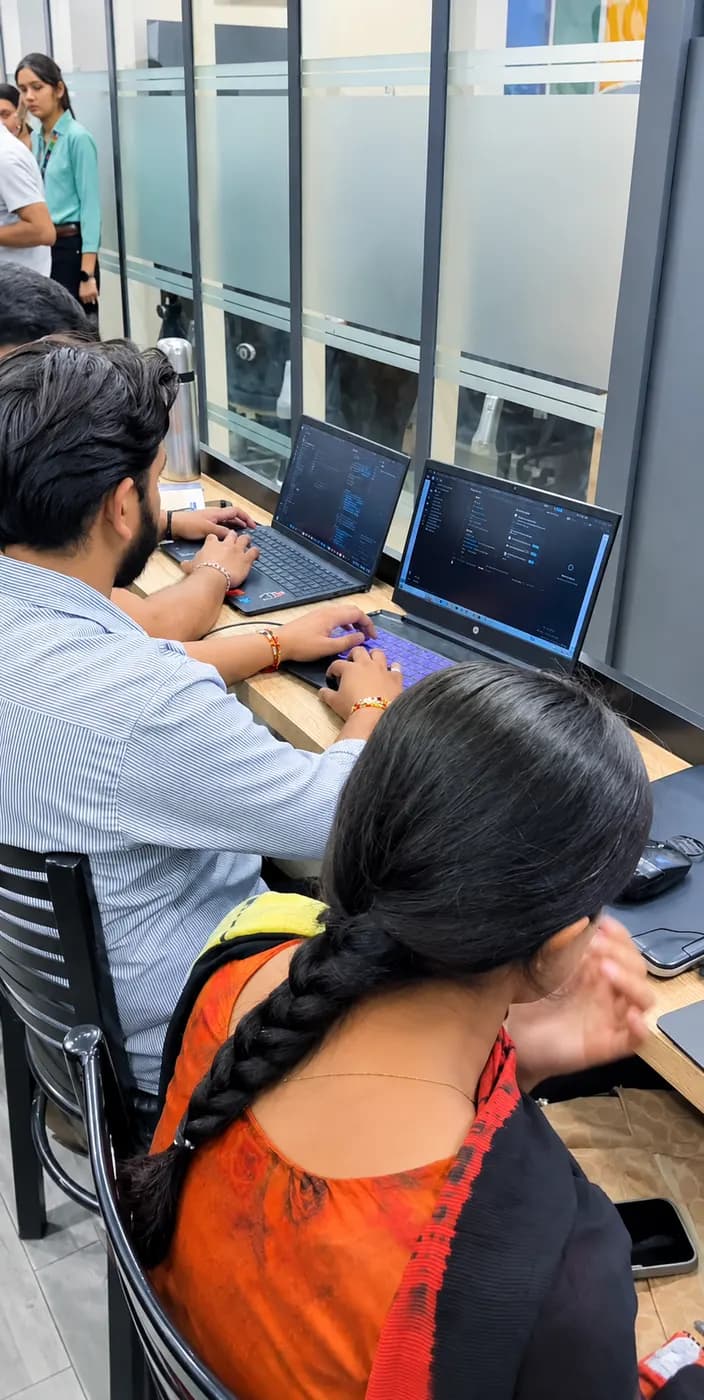
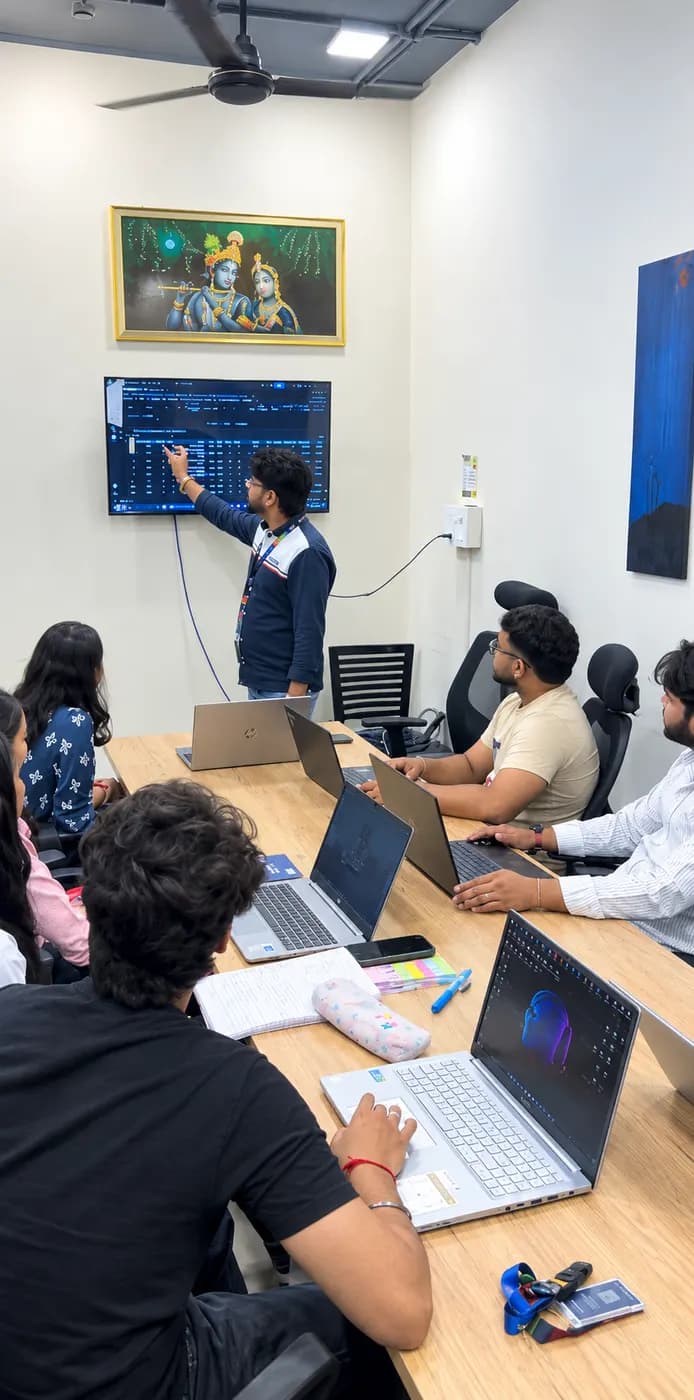
What separates this from a playlist of tutorials is supervision on real work. From the second half of the course you build on live client projects with a trainer beside you, make decisions that have consequences, and correct them the following week. That loop is the skill. No employer in Phagwara will take your word for it without work they can inspect.
Be realistic about the money. A fresher who finishes with a working portfolio starts near the bottom of the band and moves quickly; someone who finishes with a certificate and nothing to show does not. The difference is entirely what you built.
The alternative is what most people try first: free videos, a cheap online course, six months of drifting, and knowledge you cannot demonstrate. A structured programme with live projects, a mentor who corrects you, an internship letter and a placement cell that actually calls employers is the difference between knowing the subject and being hired to do it.
Students reach the Phagwara centre from Banga, Nakodar, Kartarpur and the university belt, and the weekend batch exists so a job or a degree does not have to be paused to attend.
Practise CNC programming through sample turning and milling projects, including G-code development, program simulation, and machining exercises that help build practical skills for technical interviews.
Learn G-code, M-code, Fanuc controls, CNC turning, VMC milling, tool offsets, work coordinates, and machining fundamentals used in modern manufacturing environments.
Understand CAD/CAM workflows, toolpath concepts, CNC simulation, and program verification to develop a foundation in computer-aided manufacturing.
Build foundational knowledge for CNC operator, VMC operator, CNC programming trainee, and manufacturing technician roles through structured technical learning and machining exercises.
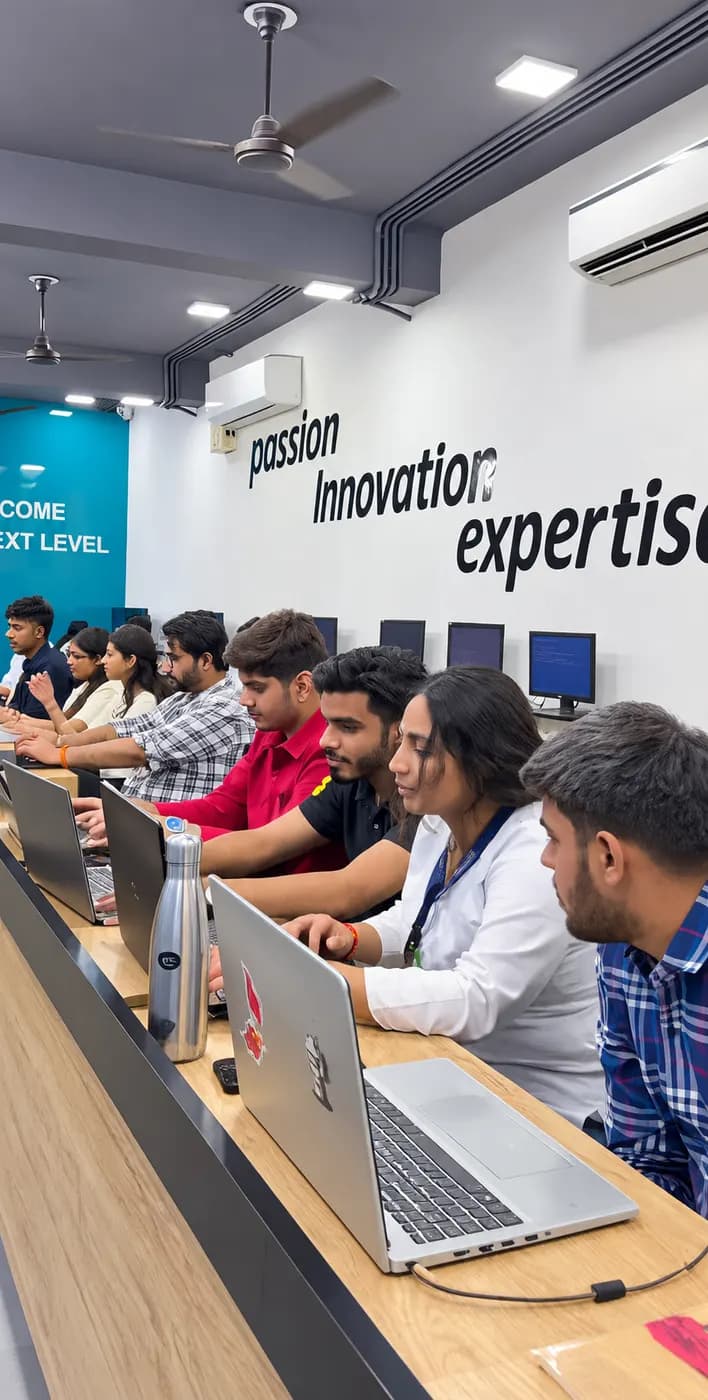
The CNC Programming and Machine Operation Course course is built for people at six different starting points, and the batch is deliberately mixed. What matters far more than your background is turning up consistently and finishing what each module asks you to build.
Fresh graduates who want a structured, practical route into the manufacturing industry and CNC technology.
Students in mechanical, production, or related technical fields who want to strengthen their CNC programming and machining skills.
Diploma and B.Tech students seeking industry-relevant knowledge in G-code, M-code, CNC turning, and VMC milling.
Machine operators and manufacturing workers who want to upgrade their technical skills and learn CNC programming fundamentals.
Individuals interested in developing technical skills for entry-level opportunities in CNC machining, machine operation, and industrial production.
The toolchain behind the craft
Everything below is installed on the lab machines and used on live client work, not shown once in a slide and forgotten.
Complete the course with a portfolio of live projects and receive an industry-recognised certificate, plus a documented internship letter accepted by Punjab universities.
Recognised by employers across Punjab and beyond
Based on real client work, not a simulation
Live work you can show in any interview
CV review, mock interviews and hiring drives
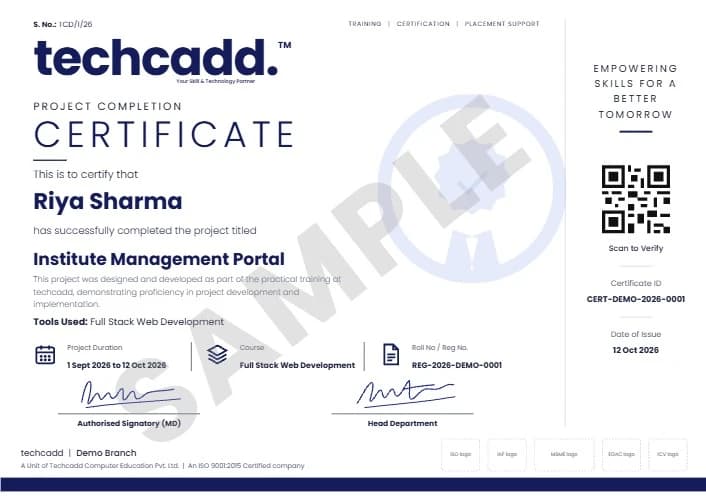
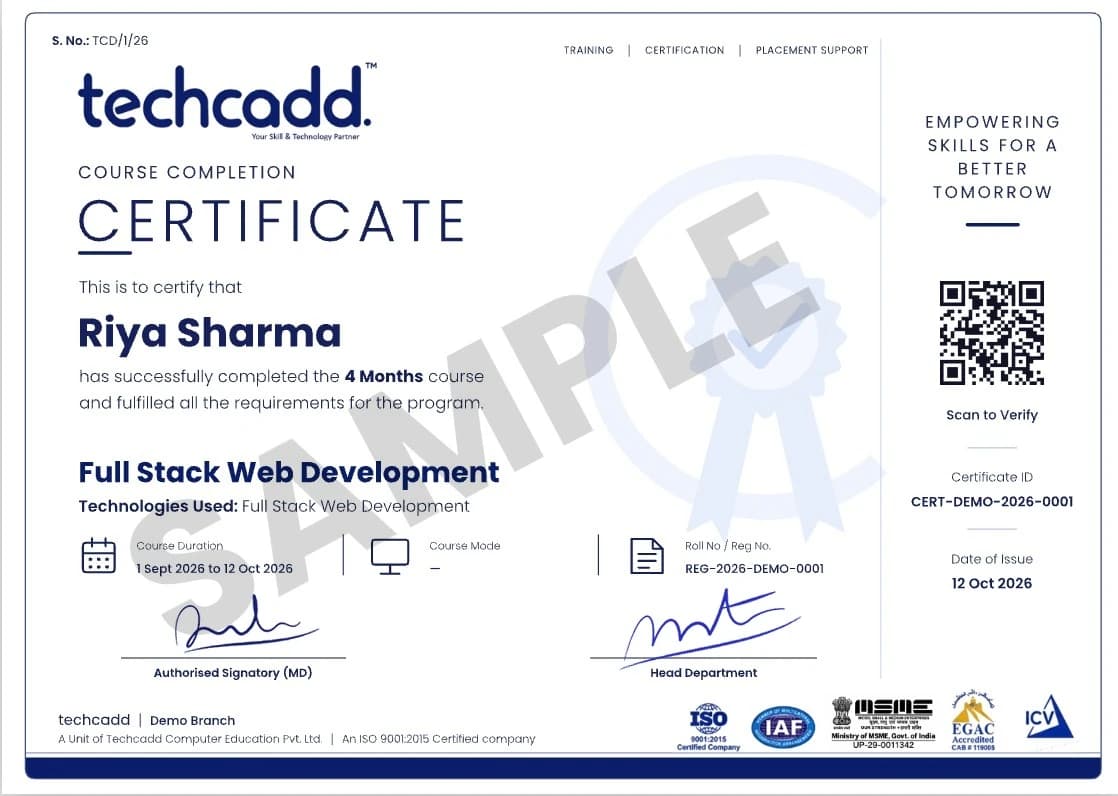
Two certificates on completion — the course certificate and a separate capstone project certificate.
The roles this opens, what they pay in Punjab and beyond, and who is hiring for them — drawn from published job-market listings on one comparable scale, not a brochure number.
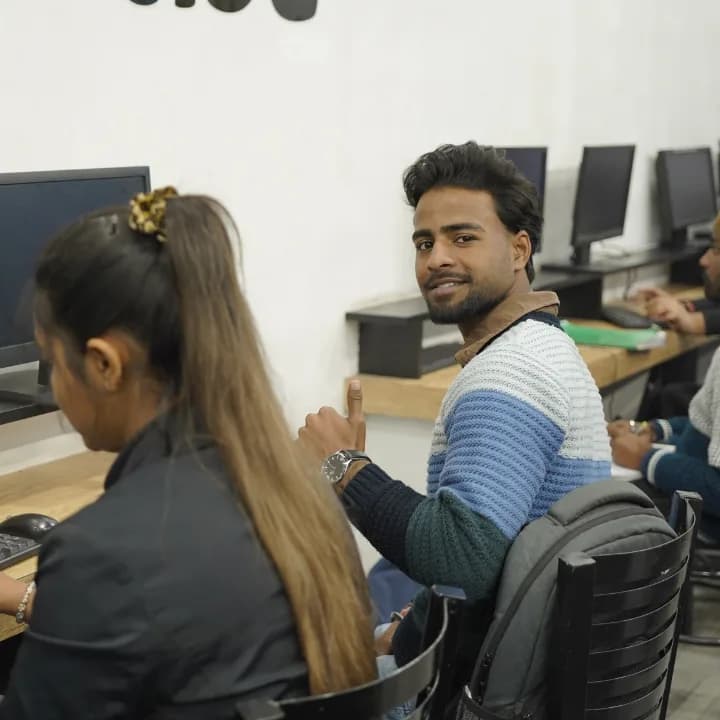
Send your question and a counsellor will call you back about batch timings, fees, EMI options, placement record, or whether this course fits your degree.
One call with a counsellor is usually enough to find out. Book a free demo class and see the lab before you decide.